
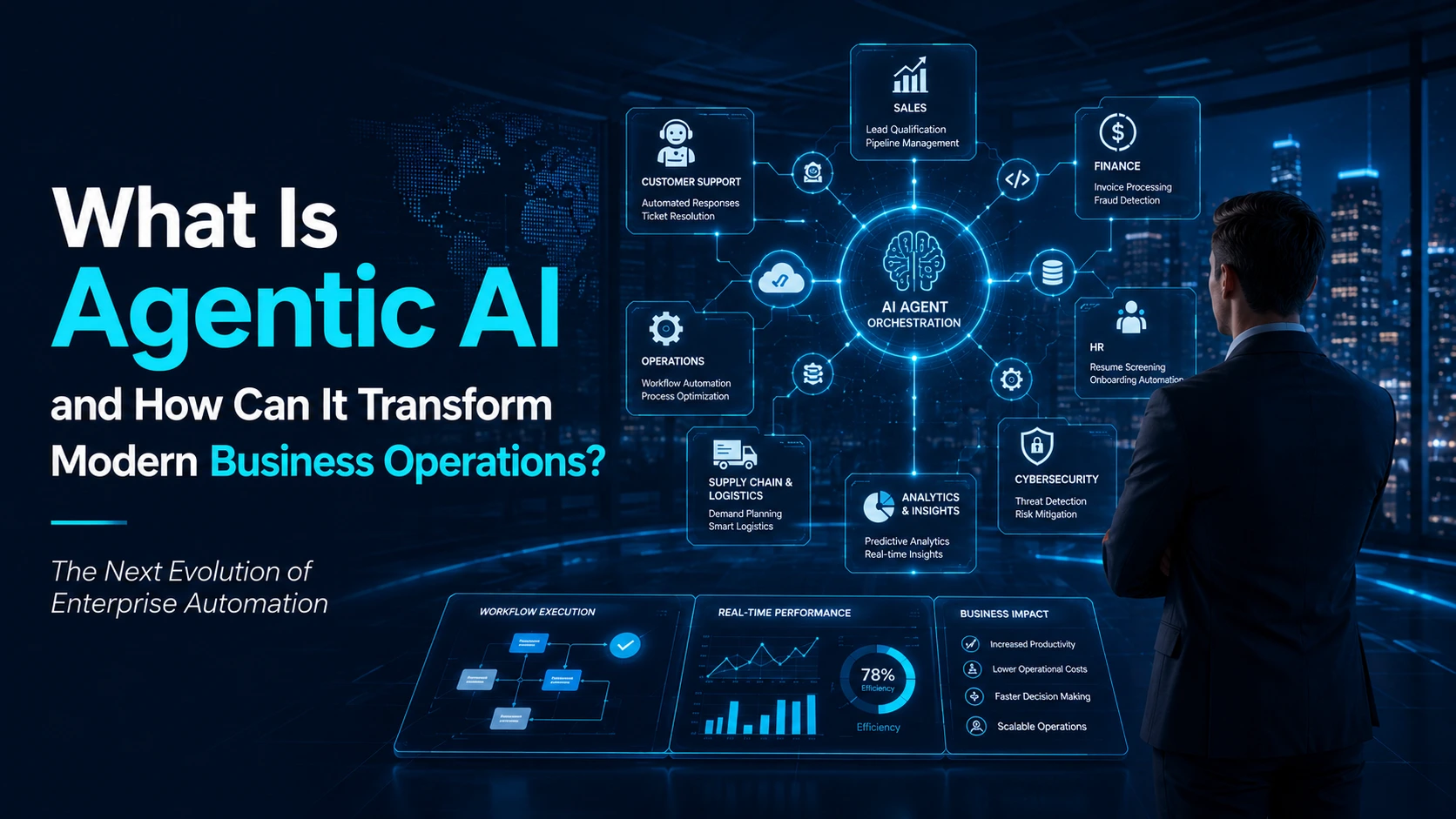
What Is Agentic AI and How Can It Transform Modern Business Operations?
What Is Agentic AI and How Can It Transform Modern Business Operations?
Agentic AI is the next major evolution of artificial intelligence, transforming how businesses automate complex workflows and make intelligent decisions. While AI has rapidly evolved from simple automation tools to Generative AI assistants that create content, write code, and answer questions, the next step goes even further.
Agentic AI can plan, reason, make decisions, and execute complex tasks with minimal human intervention, enabling organizations to automate entire business processes rather than individual tasks.
Unlike traditional AI, which waits for instructions, Agentic AI works toward achieving a goal. It can analyze situations, choose the best course of action, interact with multiple software systems, and continuously improve based on results. This shift is redefining how organizations operate across industries.
What Is Agentic AI?
Agentic AI refers to autonomous AI systems that can understand objectives, create execution plans, use external tools, perform multi-step workflows, evaluate outcomes, and adapt their strategy without requiring constant human guidance.
Think of it this way:
- Traditional AI answers questions.
- Generative AI creates content.
- Agentic AI completes tasks and achieves business goals.
For example:
Instead of suggesting how to process a refund, an Agentic AI system can:
- Verify customer information
- Access the CRM
- Check payment history
- Approve the refund
- Notify the customer
- Update financial records
- Log the entire interaction
All automatically while requesting human approval only when necessary.
How Does Agentic AI Work?
Most Agentic AI systems follow a continuous execution cycle.
1. Goal Understanding
The AI receives a business objective rather than a simple prompt.
Example:
“Reduce support ticket resolution time by 40%.”
2. Planning
The AI breaks the objective into smaller executable tasks.
Example:
- Analyze ticket history
- Categorize issues
- Prioritize urgent cases
- Assign tickets
- Draft responses
- Escalate complex requests
3. Reasoning
The system evaluates different options before selecting the best action.
Unlike rule-based automation, Agentic AI considers context, historical data, and business priorities.
4. Tool Integration
AI agents connect with existing business software, including:
- CRM platforms
- ERP systems
- Slack
- Microsoft Teams
- Databases
- APIs
- Cloud applications
5. Action Execution
Instead of merely recommending actions, the AI performs them automatically.
Examples include:
- Scheduling meetings
- Sending invoices
- Updating inventory
- Creating reports
- Assigning projects
- Managing customer interactions
6. Continuous Learning
The system monitors results and adjusts future decisions to improve efficiency and accuracy over time.
Agentic AI vs Traditional AI vs Generative AI
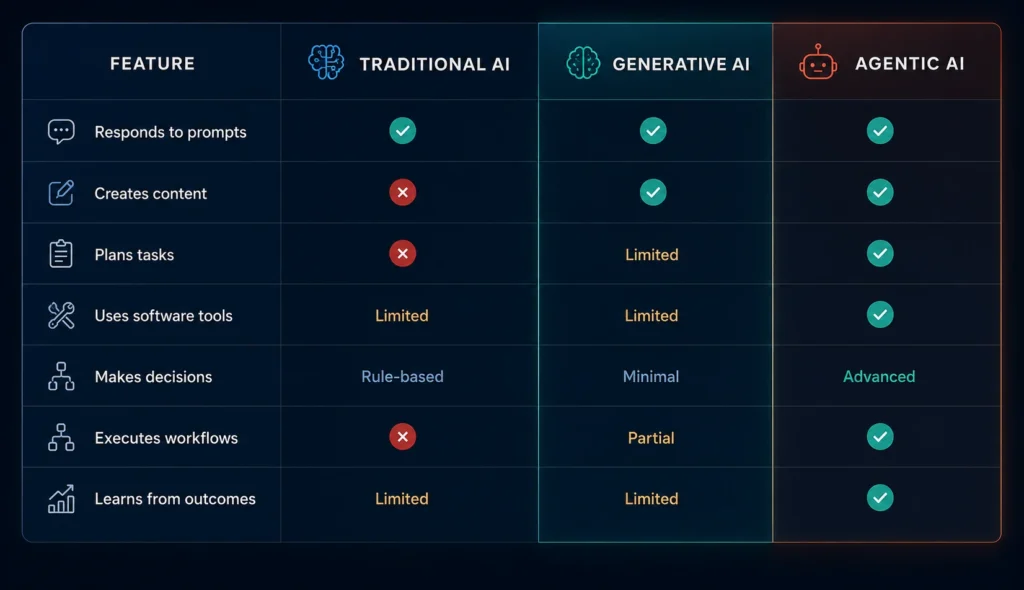
The defining characteristic of Agentic AI is its ability to pursue goals through autonomous action rather than simply producing outputs.
Why Businesses Are Adopting Agentic AI
Organizations face increasing pressure to:
- Reduce operational costs
- Improve customer experiences
- Accelerate decision-making
- Increase productivity
- Scale without adding headcount
Agentic AI addresses these challenges by automating not just repetitive tasks, but entire business processes. Financial institutions, logistics providers, and enterprise software companies are already deploying AI agents in customer service, operations, treasury, onboarding, and wealth management, while maintaining human oversight for high-risk decisions.
How Agentic AI Transforms Business Operations
1. Customer Support Automation
AI agents can:
- Answer customer inquiries
- Resolve common issues
- Update CRM records
- Process refunds
- Schedule appointments
- Escalate complex problems
Benefits
- 24/7 support
- Faster response times
- Lower operational costs
- Higher customer satisfaction
2. Sales Automation
Agentic AI can:
- Qualify leads
- Research prospects
- Send personalized outreach
- Schedule meetings
- Update CRM pipelines
- Follow up automatically
Sales teams spend more time closing deals instead of performing administrative work.
3. Marketing Optimization
AI agents continuously:
- Analyze campaign performance
- Generate content
- Optimize advertisements
- Segment audiences
- Recommend budgets
- Launch A/B tests
Marketing becomes data-driven and adaptive.
4. Human Resources
Agentic AI helps HR by:
- Screening resumes
- Scheduling interviews
- Answering employee questions
- Managing onboarding
- Tracking performance metrics
Recruiters spend less time on repetitive tasks and more on hiring strategy.
5. Finance Operations
AI agents can:
- Process invoices
- Detect fraud
- Reconcile transactions
- Generate reports
- Monitor budgets
- Flag anomalies
Financial institutions are increasingly using agentic AI to improve productivity while keeping humans in control of sensitive decisions.
6. Supply Chain Management
Agentic AI enables organizations to:
- Predict demand
- Optimize inventory
- Adjust procurement
- Coordinate logistics
- Respond to disruptions
This creates more resilient and efficient supply chains.
7. IT Operations
AI agents can:
- Monitor infrastructure
- Detect incidents
- Restart services
- Apply fixes
- Generate documentation
- Notify engineers
This reduces downtime while improving operational reliability.
Key Benefits of Agentic AI
- Increased Productivity: Employees spend less time on repetitive administrative work.
- Faster Decision-Making: AI analyzes massive datasets within seconds.
- Lower Operating Costs: Businesses reduce manual workloads and improve efficiency.
- Continuous Operations: AI agents can operate around the clock without fatigue.
- Better Customer Experiences: Customers receive faster and more personalized support.
- Improved Scalability: Organizations can grow operations without proportional increases in staffing.
Industries Using Agentic AI
Agentic AI is transforming a wide range of sectors:
- Healthcare
- Banking and Finance
- Retail
- Manufacturing
- Logistics
- Telecommunications
- Insurance
- E-commerce
- Education
- Government
Each industry is applying AI agents to automate workflows, improve decisions, and enhance customer experiences.
Challenges of Implementing Agentic AI
Despite its advantages, businesses should address several challenges:
- Data Security: AI systems require secure access to enterprise data.
- Governance: Organizations need policies to define what AI agents can and cannot do.
- Human Oversight: Critical decisions should still include human review.
- Integration Complexity: Connecting AI agents with legacy systems may require modernization.
Regulatory Compliance
Businesses must ensure AI actions comply with industry regulations. Governance frameworks are becoming increasingly important as organizations deploy larger numbers of AI agents across departments.
Best Practices for Agentic AI Adoption
To maximize success:
- Start with a high-impact business process.
- Define measurable business goals.
- Integrate AI with existing systems.
- Keep humans involved in critical decisions.
- Monitor performance continuously.
- Improve workflows based on results.
- Establish governance, security, and compliance policies.
The Future of Agentic AI
Industry analysts and enterprise leaders increasingly view Agentic AI as the next stage of enterprise automation. Instead of isolated AI assistants, businesses are moving toward interconnected AI agents that collaborate across departments, execute complex workflows, and support human employees in achieving strategic objectives.
Future developments are expected to include:
- Multi-agent collaboration
- Autonomous business process management
- AI-driven decision orchestration
- Self-optimizing enterprise workflows
- Human-AI hybrid workforces
FAQs
What is Agentic AI in simple terms?
Agentic AI is artificial intelligence that can independently plan, make decisions, use software tools, and complete multi-step tasks to achieve a goal with minimal human supervision.
How is Agentic AI different from Generative AI?
Generative AI creates content such as text, images, or code. Agentic AI goes further by planning, making decisions, and executing business workflows autonomously.
Which industries benefit most from Agentic AI?
Healthcare, finance, retail, manufacturing, logistics, customer service, and IT operations are among the industries seeing significant benefits from Agentic AI.
Can Agentic AI replace employees?
No. Agentic AI is designed to automate repetitive and operational tasks, allowing employees to focus on strategic thinking, creativity, and relationship-driven work.
Is Agentic AI safe for businesses?
Yes, when implemented with proper governance, security controls, human oversight, and regulatory compliance. Organizations should establish clear policies for AI autonomy and monitor AI-driven actions continuously.
Final Words
Agentic AI represents a major leap beyond traditional automation and generative AI. By combining reasoning, planning, tool integration, and autonomous execution, it enables organizations to automate entire workflows rather than isolated tasks.
Businesses that adopt Agentic AI thoughtfully, balancing autonomy with governance and human oversight, can improve productivity, reduce costs, and build more agile operations while positioning themselves for the next era of intelligent enterprise transformation.
Partner with TechVaders Inc
TechVaders Inc delivers secure, scalable Agentic AI solutions that automate complex workflows and integrate seamlessly with your business systems. From customer support and sales to operations, we help organizations implement enterprise-ready AI that drives efficiency, reduces costs, and creates lasting competitive advantage.
Uncategorized
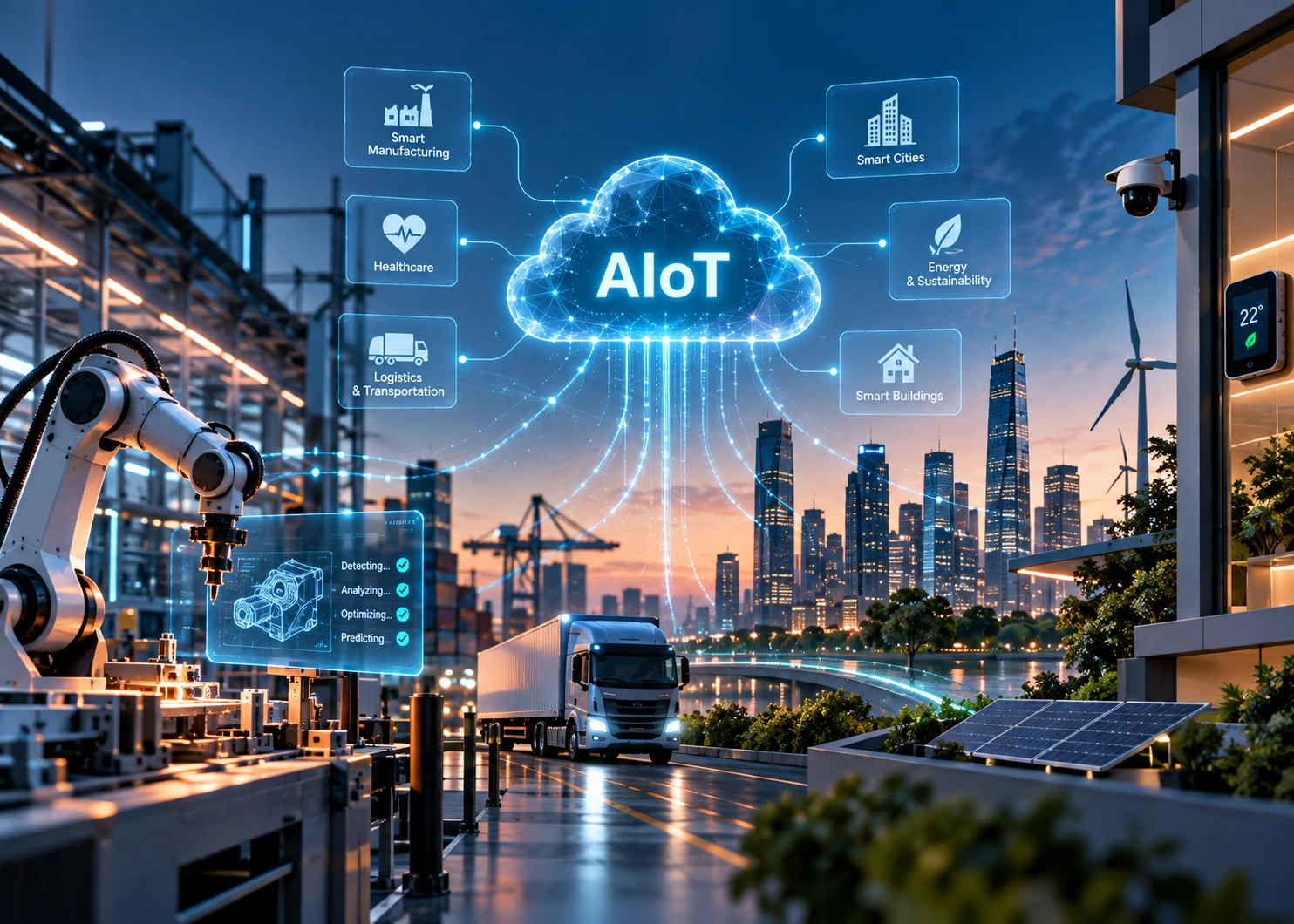
AIoT: How AI and IoT Are Creating Smarter Connected Systems
The Internet of Things (IoT) has transformed the way businesses connect devices, collect data, and monitor physical environments. But collecting data is only the beginning. The next step is making that data intelligent. AIoT, or Artificial Intelligence of Things, combines artificial intelligence with IoT to create connected systems that can analyze information, identify patterns, make…

Uncategorized
AI-Native Software Development: How AI Is Changing the Way Software Is Built
Software development is entering a new phase. Artificial intelligence is no longer being used only as a coding assistant that suggests a few lines of code. AI is increasingly becoming part of the entire software development lifecycle—from planning and architecture to coding, testing, deployment, monitoring, and maintenance. This shift is known as AI-native software development.…
Uncategorized
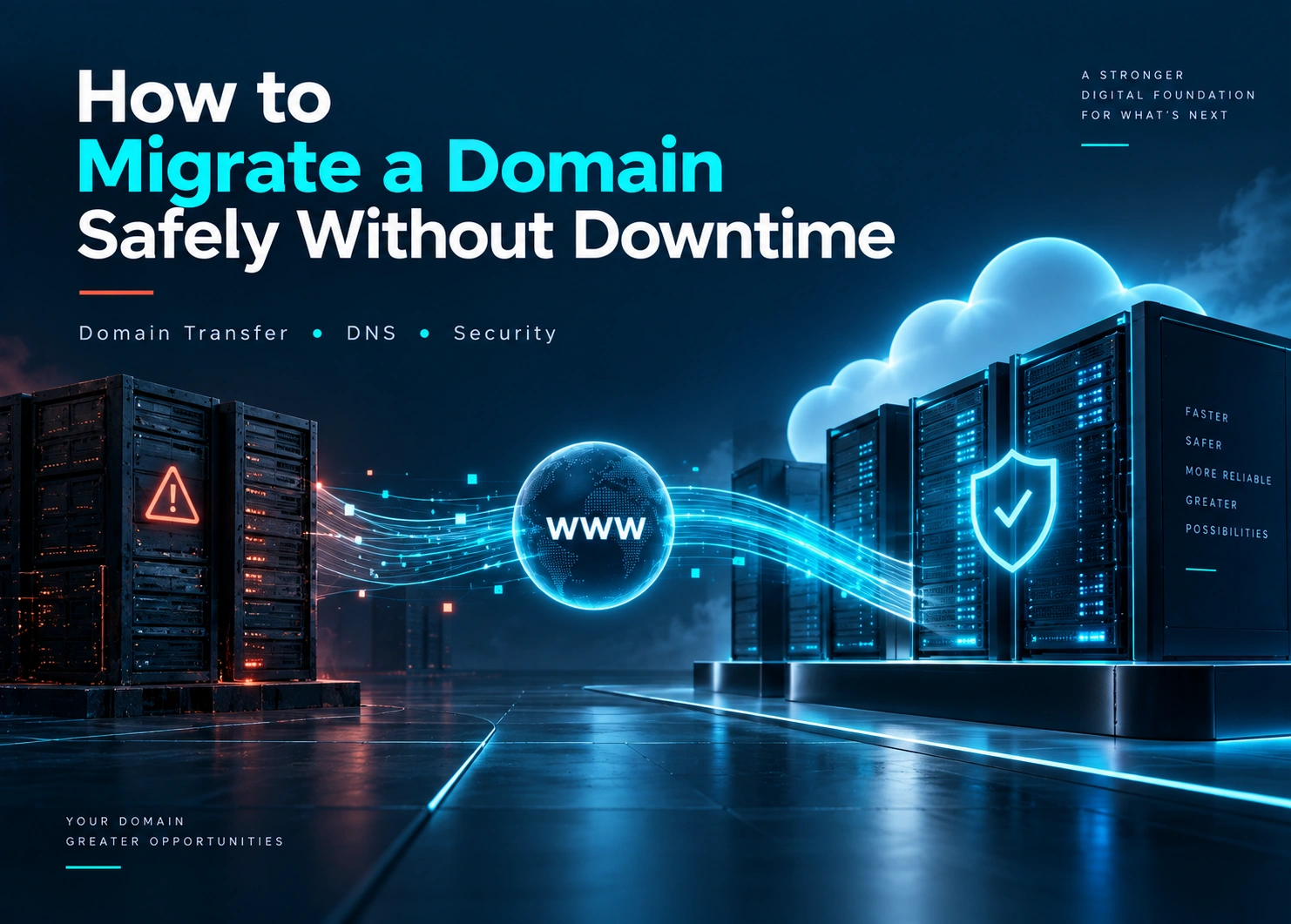
How to Migrate a Domain Safely Without Downtime
Your domain is more than a web address. It connects customers to your website, email, applications, landing pages, and other digital services. When you need to move your domain to a new registrar, poor planning can lead to unnecessary downtime, broken email, DNS problems, or delays. The good news is that domain migration does not…
Delivering scalable software that drives real business growth.

