



Data Center Infrastructure Management Guide for 2026
Data Center Infrastructure Management Guide for 2026
Data centers are becoming more complex.
AI workloads, high-density computing, growing storage requirements, rising energy costs, and increasingly distributed infrastructure are putting more pressure on data center teams. Managing servers alone is no longer enough. Organizations also need visibility into power, cooling, physical space, connectivity, assets, and environmental conditions.
This is where Data Center Infrastructure Management (DCIM) comes in.
DCIM is a centralized approach to monitoring and managing the physical and IT infrastructure of a data center. It helps teams understand what equipment they have, where it is located, how much power and cooling it requires, how much capacity is available, and where potential problems may occur.
In this guide, we explain what DCIM is, how it works, its benefits, key features, common use cases, and what businesses should consider when choosing a DCIM solution.
What Is Data Center Infrastructure Management?
Data Center Infrastructure Management (DCIM) is the combination of processes, software, monitoring tools, and operational practices used to manage a data center’s physical infrastructure and IT equipment.
A DCIM platform can bring information about areas such as:
- Servers and other IT equipment
- Power distribution
- Cooling systems
- Temperature and humidity
- Rack and floor space
- Network connections
- Asset locations
- Energy consumption
- Capacity
- Equipment health
Instead of relying on disconnected spreadsheets, monitoring systems, and manual checks, DCIM provides a more centralized view of the data center.
In simple terms:
DCIM helps data center teams know what they have, where it is, how it is performing, how much capacity remains, and what needs attention.
Why Is DCIM Important?
Modern data centers have to balance performance, availability, capacity, cost, and energy efficiency at the same time.
A problem in one area can quickly affect another.
For example, adding high-performance servers increases computing capacity but those servers also increase power consumption and generate additional heat. That can affect cooling requirements and available rack capacity.
AI workloads make these relationships even more important. NIST’s 2026 draft guidance specifically addresses AI data centers as specialized environments with differences from traditional HPC infrastructure.
DCIM helps organizations connect these operational pieces.
The result?
Better visibility, faster decisions, more effective capacity planning, and fewer surprises.
How Does DCIM Work?
A DCIM system generally works through four basic stages:

This creates a continuous management cycle:
Data → Visibility → Analysis → Action → Optimization
What Does DCIM Manage?
DCIM isn’t limited to servers. Its value comes from connecting multiple parts of the data center.
1. IT Assets
DCIM can help organizations maintain visibility into physical IT equipment, including:
- Servers
- Storage systems
- Network equipment
- Racks
- Power equipment
- Other infrastructure components
An accurate asset inventory helps teams understand what equipment exists, where it is located, and how it is being used.
NIST similarly emphasizes the importance of accurate asset visibility for effective IT asset management.
2. Power Management
Power is one of the most important resources in a data center.
DCIM can help teams monitor:
- Power consumption
- Power distribution
- Rack-level usage
- Available capacity
- Power-related alerts
- Trends in energy consumption
This visibility can help operators identify inefficient usage and make better decisions when deploying new equipment.
3. Cooling and Environmental Monitoring
Servers generate heat, making cooling essential for reliable operations.
DCIM can monitor environmental conditions such as:
- Temperature
- Humidity
- Airflow
- Cooling performance
- Hot spots
- Environmental alerts
This allows teams to identify abnormal conditions before they become larger operational problems.
DCIM is also increasingly relevant to sustainability because monitoring power and cooling can reveal opportunities to reduce unnecessary energy consumption.
4. Space and Rack Capacity
Physical space is another limited data-center resource.
DCIM can help answer questions such as:
Which racks have available space?
Which racks have enough power capacity for new equipment?
Where can additional servers be installed?
How much capacity remains in the facility?
This makes capacity planning more informed than simply looking at empty rack space.
5. Connectivity and Cabling
Data center connectivity can become difficult to manage as infrastructure grows.
DCIM can provide visibility into:
- Network connections
- Cable paths
- Ports
- Equipment relationships
- Rack connectivity
Better documentation can make troubleshooting and infrastructure changes easier.
6. Environmental and Facility Conditions
A modern DCIM strategy can also connect IT infrastructure with facility information.
Depending on the solution, this can include:
- HVAC systems
- Power systems
- Lighting
- Environmental sensors
- Facility equipment
- Energy meters
The goal is to create a more complete picture of how the facility operates.
Key Benefits of DCIM
A well-designed DCIM strategy can provide several operational benefits.
Better Visibility
Instead of searching across multiple systems, teams can access infrastructure information from a centralized platform.
Improved Capacity Planning
DCIM helps teams understand available space, power, cooling, and other resources before deploying additional equipment.
Faster Problem Detection
Real-time monitoring and alerts can help teams identify abnormal conditions earlier.
Better Asset Management
Organizations can maintain a clearer picture of where equipment is located and how infrastructure is being used.
More Efficient Operations
Automation and centralized information can reduce repetitive manual work.
Improved Energy Management
Monitoring power and cooling helps organizations identify inefficiencies and opportunities to optimize resource consumption.
Reduced Operational Risk
Better visibility can help teams identify capacity constraints, environmental issues, and infrastructure problems before they lead to significant disruption.
IBM similarly identifies visibility into power, cooling, energy consumption, bandwidth, server capacity, floor space, and physical assets as important capabilities of DCIM solutions.
DCIM and Data Center Automation: What’s the Difference?
These terms are related but not identical.
DCIM provides visibility and management.
Automation uses that information to perform actions with less manual intervention.
For example:
A DCIM platform may detect that a temperature threshold has been exceeded.
An automation system could then trigger a predefined response or notify the appropriate team.
Together, DCIM and automation can help organizations move from:
Manual monitoring → Automated monitoring → Predictive operations
How AI Is Changing DCIM
AI is changing the requirements of modern data centers.
High-performance AI workloads can create substantial demands on computing resources, power, cooling, and infrastructure planning. NIST’s current AI data-center security work notes that AI data centers are purpose-built environments for workloads including model training and inference and differ from traditional HPC environments in important ways.
This creates a new opportunity for AI-enabled DCIM.
AI-powered DCIM can potentially help with:
- Predictive maintenance
- Anomaly detection
- Energy optimization
- Capacity forecasting
- Workload analysis
- Cooling optimization
- Failure prediction
- Operational recommendations
The goal isn’t simply to collect more data.
The goal is to turn infrastructure data into better decisions.
DCIM for AI Data Centers
Traditional data center planning often focuses on whether there is enough physical space for new equipment.
AI infrastructure requires a broader view.
A deployment may need sufficient:
Rack space + electrical capacity + cooling capacity + network connectivity + operational headroom
That means data center operators need to understand how these resources interact.
DCIM can provide the visibility needed to evaluate infrastructure before deploying additional high-density workloads.
DCIM vs. Traditional Data Center Management
Traditional management often depends on multiple tools and manual processes.
For example:
Asset spreadsheet
↓
Power monitoring system
↓
Building management system
↓
Network monitoring tool
↓
Manual reporting
This can create fragmented information.
A DCIM platform aims to connect these operational data points into a more unified management environment.

What Features Should DCIM Software Have?
When evaluating a DCIM platform, look beyond the basic dashboard.
Important capabilities can include:
Asset Management
Track equipment, location, lifecycle, and relationships.
Capacity Management
Monitor space, power, cooling, and available infrastructure capacity.
Environmental Monitoring
Track temperature, humidity, airflow, and other environmental conditions.
Power Monitoring
Understand consumption, distribution, and available power capacity.
Visualization
Use dashboards, rack views, floor plans, and infrastructure maps.
Alerting
Receive notifications when predefined conditions or thresholds are reached.
Reporting
Generate operational, capacity, energy, and infrastructure reports.
Integration
Connect with existing IT, facility, monitoring, and management systems.
Automation
Reduce repetitive manual processes through predefined workflows.
Analytics
Use historical and real-time information to identify trends and potential problems.
How to Choose the Right DCIM Solution
There is no single DCIM platform that is perfect for every organization.
Before selecting a solution, consider these questions:
1. What do you need to monitor?
Define the infrastructure you need visibility into.
2. How large is your environment?
A small enterprise data center may have very different requirements from a hyperscale or colocation facility.
3. Do you need real-time monitoring?
If infrastructure changes frequently, real-time visibility may be especially important.
4. Does it integrate with your existing systems?
Integration should be evaluated before implementation—not after.
5. Can it scale?
Your DCIM platform should be able to support future infrastructure growth.
6. Does it support automation?
If reducing manual operations is a priority, automation capabilities should be part of the evaluation.
7. Can it support AI-era infrastructure?
Organizations deploying high-density computing should evaluate whether the platform can provide sufficient visibility into power, cooling, capacity, and infrastructure relationships.
DCIM Implementation Checklist
Before implementing DCIM, organizations should:
- Define business and operational objectives
- Inventory existing infrastructure
- Identify critical monitoring requirements
- Map power and cooling dependencies
- Document racks and equipment
- Identify existing monitoring systems
- Determine integration requirements
- Establish alert thresholds
- Define reporting requirements
- Train operations teams
- Start with high-value use cases
- Measure results after implementation
A phased implementation can make adoption easier than attempting to digitize every operational process at once.
What Is the Future of DCIM?
DCIM is moving beyond simple infrastructure monitoring.
The next generation of data center management is likely to combine:
DCIM + AI + Automation + Predictive Analytics + Sustainability
This means future systems will increasingly focus not just on telling operators what is happening, but helping them understand:
Why is it happening?
What is likely to happen next?
What should we do about it?
That shift can make DCIM an important part of modern data center operations.
Frequently Asked Questions
What does DCIM stand for?
DCIM stands for Data Center Infrastructure Management.
What is DCIM software?
DCIM software provides centralized tools for monitoring, managing, and analyzing data center infrastructure, including IT assets, power, cooling, space, capacity, and environmental conditions.
Why is DCIM important?
DCIM helps organizations gain better visibility into infrastructure, improve capacity planning, monitor power and cooling, manage assets, identify problems, and improve operational efficiency.
Is DCIM only for large data centers?
No. DCIM can be useful for organizations of different sizes. The appropriate solution depends on the complexity, scale, and operational requirements of the environment.
What is the difference between DCIM and BMS?
A Building Management System (BMS) primarily manages building and facility systems, while DCIM focuses specifically on data center infrastructure and the relationship between IT equipment and facility resources. Depending on the implementation, the two systems can integrate.
Can DCIM help reduce energy consumption?
Yes. By providing visibility into power consumption, cooling, and infrastructure utilization, DCIM can help teams identify inefficiencies and opportunities for optimization.
Can DCIM use AI?
Modern DCIM strategies can incorporate AI and analytics for use cases such as anomaly detection, predictive maintenance, capacity forecasting, and optimization.
Is DCIM the same as data center automation?
No. DCIM is primarily about visibility and infrastructure management, while automation uses data and predefined logic to execute actions with less manual intervention. The two technologies can work together.
Final Thoughts
Data center infrastructure is becoming more complicated, not less.
As organizations deploy AI, expand computing capacity, manage growing infrastructure, and focus more heavily on energy efficiency, data center teams need better visibility into the resources supporting their workloads.
Data Center Infrastructure Management provides that visibility.
From asset tracking and capacity planning to power, cooling, environmental monitoring, analytics, and automation, DCIM can help organizations manage the data center as one connected environment.
The real value of DCIM isn’t simply having another monitoring dashboard.
It’s having the information needed to make faster, smarter, and more reliable infrastructure decisions.
For organizations preparing their data centers for AI and future growth, DCIM can be an important foundation for more intelligent and efficient operations.
Looking to bring AI into your data center or business operations? Explore TechVaders’ AI development and automation solutions to build intelligent systems that connect data, workflows, and enterprise applications.
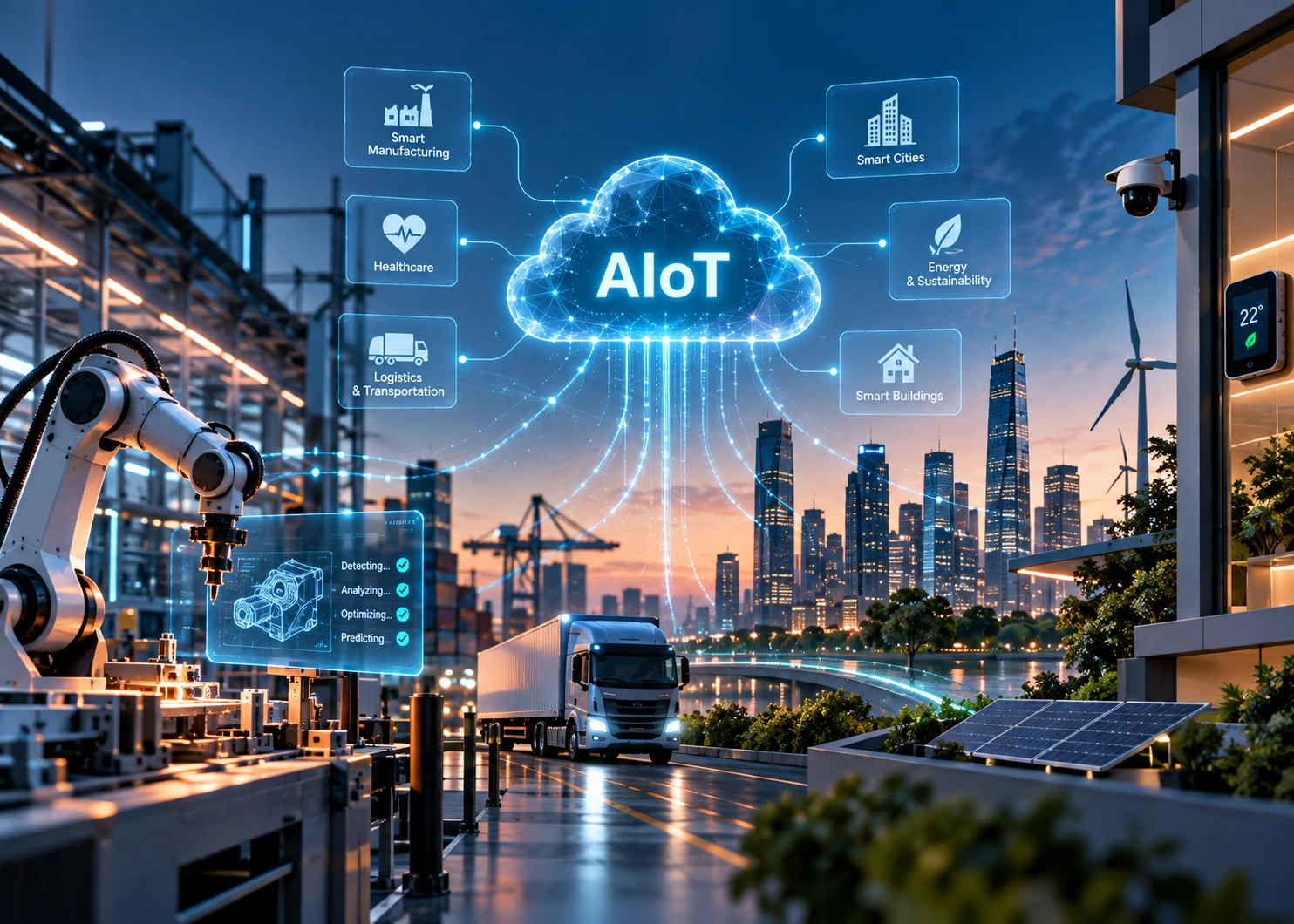
Uncategorized
AIoT: How AI and IoT Are Creating Smarter Connected Systems
The Internet of Things (IoT) has transformed the way businesses connect devices, collect data, and monitor physical environments. But collecting data is only the beginning. The next step is making that data intelligent. AIoT, or Artificial Intelligence of Things, combines artificial intelligence with IoT to create connected systems that can analyze information, identify patterns, make…
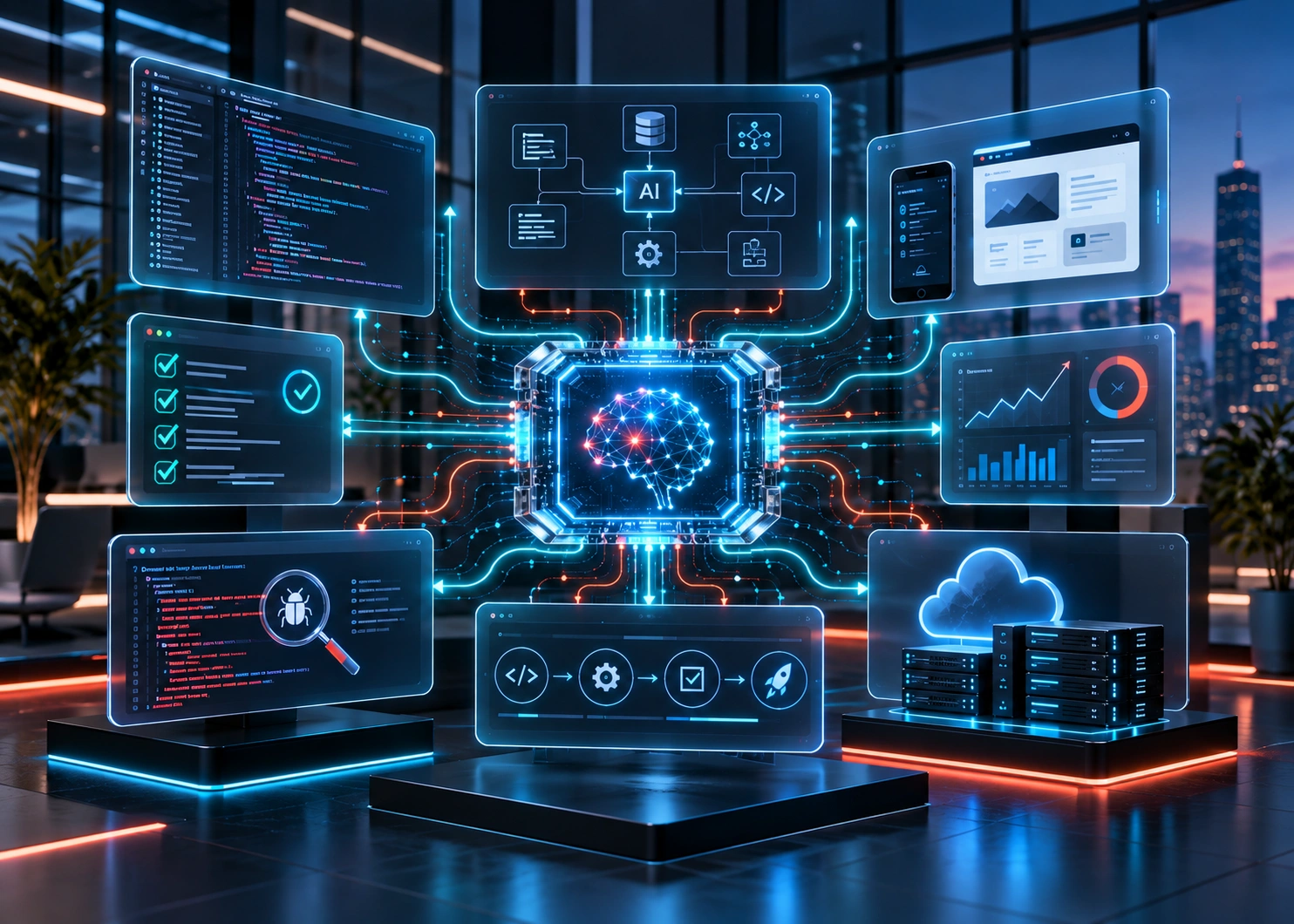
Uncategorized
AI-Native Software Development: How AI Is Changing the Way Software Is Built
Software development is entering a new phase. Artificial intelligence is no longer being used only as a coding assistant that suggests a few lines of code. AI is increasingly becoming part of the entire software development lifecycle—from planning and architecture to coding, testing, deployment, monitoring, and maintenance. This shift is known as AI-native software development.…
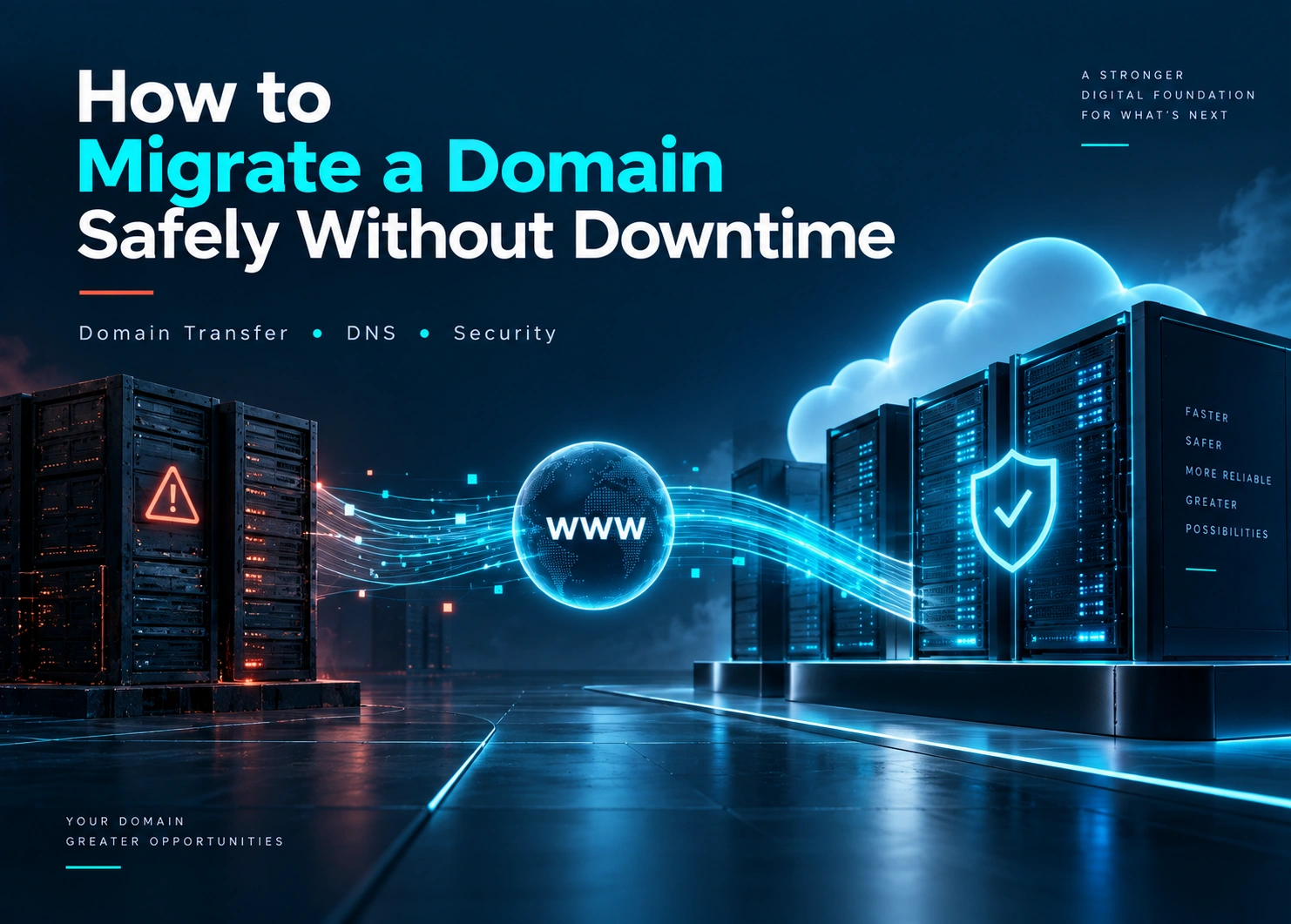
Uncategorized
How to Migrate a Domain Safely Without Downtime
Your domain is more than a web address. It connects customers to your website, email, applications, landing pages, and other digital services. When you need to move your domain to a new registrar, poor planning can lead to unnecessary downtime, broken email, DNS problems, or delays. The good news is that domain migration does not…

